Houses for rent are usually chosen because people want a little breathing room. More space. Less noise. A place that actually feels like home instead of just somewhere to sleep. Not everyone enjoys shared walls, elevators, or hearing footsteps from the floor above.
That said, signing a lease should never be rushed. A nice photo and a fair rent number do not always tell the full story. There are a few things that really deserve attention before committing, things that can affect everyday comfort long after move in day.
This guide breaks those checks down in a simple way, walking through them one step at a time so nothing important gets missed.
Start with the area, not the house
A house can look perfect and still be the wrong choice if the location causes daily stress.
Things worth checking in person
- Drive the area in the morning and evening
- Listen for noise at night
- Check how far daily errands actually are
- Look at street lighting and parking
People moving from apartments for rent often underestimate how much the surrounding area matters when choosing houses for rent, especially for families.
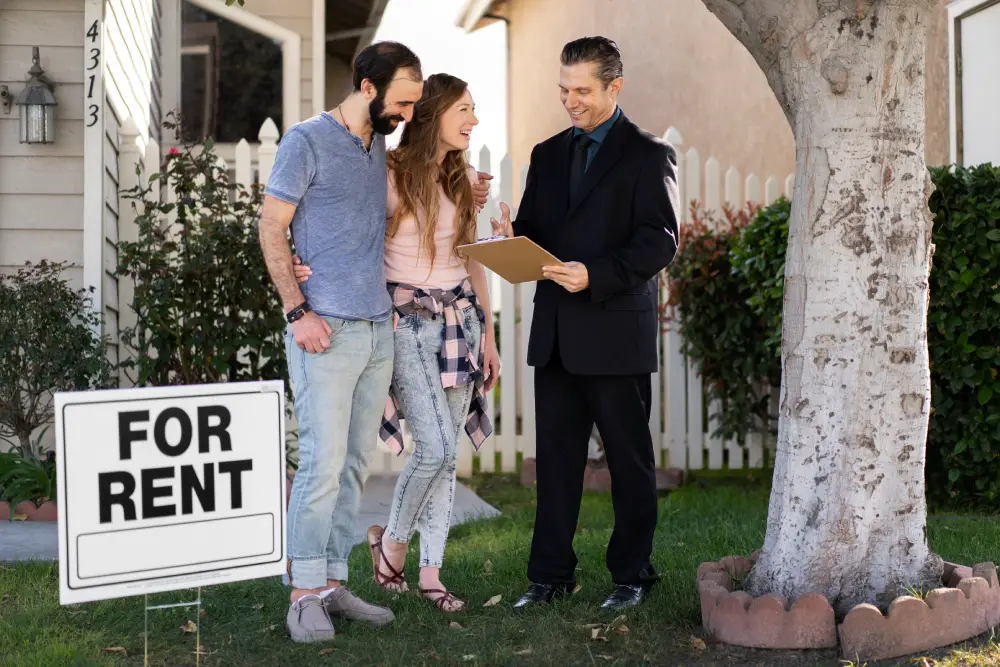
Size matters, but not the way people think
Bigger is not always better, even if it sounds tempting at first. More rooms feel nice on paper, but in real life they usually mean higher bills and more to take care of.
A 3 bedroom house for rent works well for a lot of households because it gives enough space without feeling like too much. Jumping to a 5 bedroom house for rent only really makes sense when those rooms are being used all the time. If not, they just turn into empty space that still needs heating, cooling, and cleaning.
For many people, a 2 bedroom house for rent actually feels more comfortable because it fits how life is lived day to day, not how it is imagined when scrolling through listings.
Lease terms should never be rushed
If anything feels unclear, slow down. A lease controls what happens when something goes wrong.
Clauses that deserve attention
- How rent increases are handled
- What happens if repairs are delayed
- Rules around early move out
- Responsibility for lawn and outdoor areas
This is especially important when dealing with private landlords, where rules may differ from large rental companies.
Walk through the house like someone who lives there
Not like someone who is visiting once.
Exterior things to look at
- Water drainage around the home
- Fence condition and locks
- Roof edges and gutters
Interior details that matter
- Water pressure in showers
- Electrical outlets actually working
- Smells that could mean moisture or mold
When looking at houses for rent by owner in dallas tx, inspections are sometimes informal, so attention here really protects you later.
Monthly costs are more than rent
Rent is only one part of the budget.
| Cost | Why it matters |
| Utilities | Houses usually cost more than apartments |
| Lawn care | Often the tenant’s responsibility |
| Renters insurance | Often required in leases |
| Minor maintenance | Light repairs may fall on tenants |
People moving into houses for rent from apartments are often surprised by how quickly these costs add up.
Insurance is not just paperwork
Renters insurance protects personal belongings, guests, and temporary housing if something happens. Homes with yards or detached garages may need higher coverage. This is rarely explained upfront but matters a lot after move in.
Why landlords think about taxes
Even renters benefit from understanding how owners think.
Many owners structure leases based on landlord tax deductions, tax breaks for landlords, and tax deductions for rental property owners. Costs like repairs, insurance, and depreciation affect how flexible a landlord may be with rent or upgrades.
Some owners plan around tax deductions for rental property depreciation and bonus depreciation on rental property, while others stay cautious due to issues like auto deduction for rental property could raise the irs flags.
This often explains why certain lease terms feel strict.
Private owners versus management companies
Knowing how to find private landlords can lead to better flexibility, but it comes with responsibility.
Private owners may:
- Negotiate rent or pets
- Be slower with repairs
- Use simpler lease language
Always get agreements in writing, especially when working with private landlords offering houses for rent outside large platforms.
Questions worth asking before signing
Search trends show people want real answers, not polished promises.
Important questions to ask
- Who handles emergencies
- How repairs are requested
- Whether inspections are routine
- What happens if ownership changes
Conclusion:
These questions matter more than décor when choosing between different houses for rent. Visit once more before move in day. Confirm repairs were done. Take photos of existing wear and share them right away. This avoids deposit disputes later and sets clear expectations.
Frequently Asked Questions
What is the first thing to check when viewing houses for rent?
Safety and structure should come first. Locks, electrical systems, plumbing, and water pressure matter more than finishes because they affect daily comfort and security.
Are houses for rent better than apartments?
That depends on lifestyle. Houses offer privacy and space, but they also bring higher responsibility. The better option is the one that fits how someone actually lives.
How much extra money should be budgeted?
Utilities, lawn care, renters insurance, and small repairs should be planned for. These costs surprise many first time house renters.
Is renters insurance really necessary?
Yes. It protects belongings, covers liability, and helps with temporary housing after damage. Many leases require it, but even when optional, it is worth having.
Is renting from private landlords risky?
It can be flexible but requires clear communication. Written agreements and documented repairs reduce misunderstandings and protect both sides.
Can lease terms be changed?
Often yes, especially with individual owners. Asking politely before signing is much easier than trying to change terms later.
Why do larger homes cost more long term?
More rooms mean higher utility bills, more cleaning, and more maintenance. Bigger space only makes sense when it is actually used.
What happens if repairs take too long?
That depends on the lease. Emergency timelines and tenant rights should be clearly written before signing.
Why do question based guides rank better?
Because they match how people search. Most renters type full questions when researching housing decisions.
What makes a rental feel like a good long term choice?
Clear lease terms, reasonable costs, responsive owners, and a location that supports daily routines without stress.