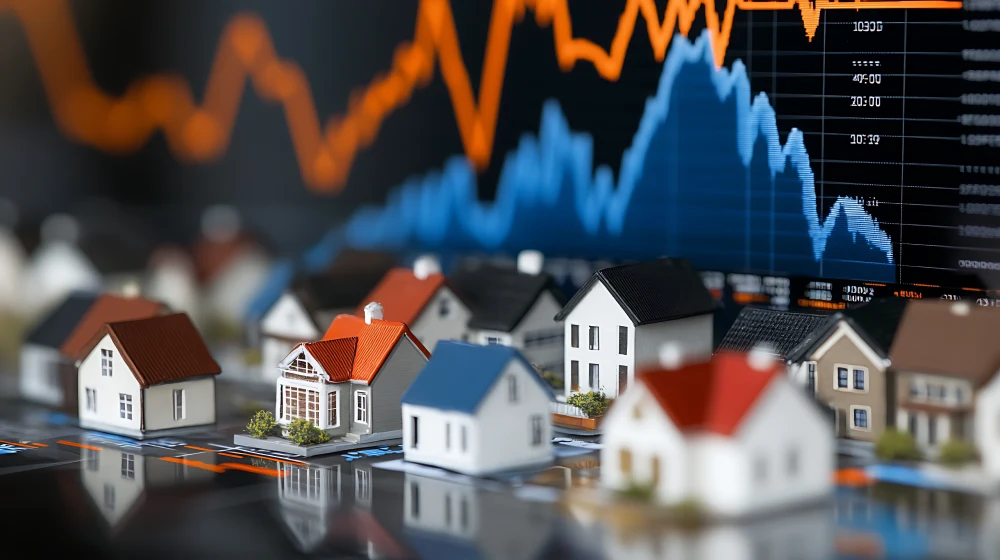
The housing market in 2026 is not following any playbook from the last five years. Across the real estate market, things are moving slower and more carefully. Buyers are thinking twice, sellers are adjusting expectations, and lenders are reacting to changing mortgage rates like a nervous driver on icy roads. The housing market is being shaped by affordability, confidence, and timing all at once and small changes are making a big difference.
Here’s what’s really going on: buyers are still out there but they’re way more cautious, sellers are still listing but they’re pricing way more realistically, supply is slowly improving with better housing inventory, and demand is tied directly to home loan rates.
The biggest shift you need to know about is mindset. People are no longer rushing into anything. The housing market is moving at a more thoughtful pace, where every single decision gets weighed against uncertainty. And mortgage rates?
They’re still the big boss controlling everything higher rates scare buyers off, stable rates build confidence, and lower rates can bring buyers flooding back fast. The housing market reacts crazy quick to changes in housing interest rates today. So the question isn’t whether to act—it’s whether you’re ready to act smart.

What Is Really Going On in the Housing Market?
Right now, the housing market feels balanced but sensitive. Small changes are making a big difference.
- Buyers are still active, but more cautious
- Sellers are still listing, but pricing more realistically
- Supply is improving with better housing inventory
- Demand is tied closely to home loan rates
The biggest shift is mindset. People are no longer rushing. The housing market is moving at a more thoughtful pace.
What Are Housing Market Predictions for 2026?
Prices Are Not Crashing
Most housing market predictions are pointing toward stability.
- Prices may grow slowly
- Some areas may see small corrections
- Strong locations will still hold value
The housing market is correcting itself, not collapsing.
Mortgage Rates Still Control Everything
- Higher rates reduce affordability
- Stable rates increase confidence
- Lower rates can bring buyers back fast
Here is how it plays out:
| Situation | What Happens |
| Rates high | Fewer buyers |
| Rates stable | Balanced activity |
| Rates drop | Demand increases |
The housing market reacts quickly to changes in housing interest rates today.
Should You Buy in the Housing Market 2026?
Buying in the housing market right now is less about perfect timing and more about readiness.
When Buying Makes Sense
- Income is stable and supported by the labor market
- Plans are long-term, not short-term
- Monthly payments fit comfortably even with current current mortgage rates
Loan Options That Matter
- Fixed mortgage rate gives stability
- VA home loan helps reduce upfront cost for eligible buyers
- Option to refinance home loan later if rates improve
The housing market rewards people who think long-term instead of waiting for perfect conditions.
Should You Sell in the Housing Market 2026?
Selling in the housing market is still a strong option, but strategy matters more now.
When Selling Works Best
- Property has built strong equity
- Area still has limited housing inventory
- Demand is steady locally
What Sellers Need to Do
- Price based on real real estate market news
- Make the property stand out
- Stay flexible in negotiations
The housing market is not rewarding overpricing anymore. It is rewarding smart pricing.
Is It Better to Wait?
Waiting in the housing market sounds safe, but it is not always simple.
When Waiting Makes Sense
- Job or income is uncertain
- Expectation of better mortgage rates
- Market feels too competitive
The Risk of Waiting
- Prices may keep rising slowly
- More buyers may enter later
- Missed opportunity to build equity
The housing market does not always reward waiting. Sometimes it just delays progress.
Housing Market vs Other Financial Options
People are comparing real estate with safer options like a high yield savings account.
Simple Comparison
| Option | What It Offers |
| Housing market | Long-term growth |
| High yield savings account | Stability and low risk |
| Stocks | Higher risk, higher potential |
The housing market still stands out for long-term wealth, especially through equity.
How Housing Policies Are Affecting Things
Government housing policies are shaping how the housing market behaves.
What Is Changing
- Support for first-time buyers
- Tax adjustments
- More focus on increasing supply
These changes can make buying easier or harder depending on location. The housing market reacts directly to these policies.
Case Study: Mike and Lisa’s Smart Sale
Mike and Lisa from Phoenix, Arizona. bought their three-bedroom home back in 2019 for $310,000 with a sweet 3.8% fixed mortgage rate. Fast forward to 2026, and they’d built up about $150,000 in equity and were ready to move closer to family in Texas.
But they started paying attention to the housing market predictions and noticed things in Phoenix were cooling off. Inventory was creeping up, homes were sitting longer, and buyers were getting picky. Instead of listing high and hoping for a bidding war like their neighbors did back in 2021, they got real. They saw similar homes selling for $420,000 to $435,000, so they listed at $425,000. They also made their place stand out with fresh paint, new landscaping, and a pre-inspection report.
And you know what happened? They got three offers in the first week and accepted one at $430,000 with no contingencies, closing in just 30 days. Meanwhile, their across-the-street neighbor listed at $460,000 in January, dropped the price twice, and finally sold for $428,000 in June after sitting for five months.
Mike and Lisa sold smart, not greedy. They used their equity to buy their new Texas home with cash and still had money left over. The housing market in 2026 rewards smart pricing over wishful thinking every single time.
What About Refinancing and Equity?
Homeowners are not just sitting still. They are adjusting.
Smart Financial Moves
- Watching home equity loan rates
- Using lower home equity loan rates when available
- Planning to refinance home loan if rates drop
The housing market is also about managing what is already owned, not just buying or selling.
Not Every Area Is the Same
The housing market is not one single story.
Strong Areas
- Cities with strong labor market growth
- Areas with limited new construction
Slower Areas
- Places with rising housing inventory
- Overpriced markets correcting themselves
Local trends matter more than headlines when it comes to the housing market.
Simple Takeaways for 2026
- The housing market is stabilizing
- Mortgage rates still matter the most
- Buying works for long-term plans
- Selling requires smart pricing
- Waiting is not always safer
Frequently Asked Questions
What will the housing market look like in 2026?
The market will steady out. Prices will rise gradually. Buyer demand remains, but interest rates and economic conditions will largely shape activity.
Is 2026 a good time to buy a home?
Yes, if you have stable income and can manage payments at current rates. It’s a strong move for long-term buyers.
Will mortgage rates drop next year?
Rates may ease slightly, but significant drops are unlikely unless inflation falls or the economy weakens.
Should sellers list now or wait?
List now if you price competitively. Properly priced homes sell quickly, while overpriced properties tend to linger.
How does the job market affect housing?
Strong employment boosts buyer confidence and demand. Weaker jobs data tends to cool the market.
Are home prices going to crash?
No. Prices are stabilizing, not crashing. Some regional dips may occur, but nothing widespread.
Will refinancing be worth it in 2026?
Yes, if rates move favorably enough to reduce your monthly payment or total loan cost.
Which mortgage type is best right now?
Fixed-rate loans offer stability. VA loans are excellent for those who qualify.
Why does inventory matter?
More inventory reduces competition for buyers. Limited inventory increases pressure and can drive prices up.
Is real estate still a good investment?
Yes. It remains a strong long-term investment for building equity and wealth, outperforming many short-term alternatives.