
Selling your home is one of those moments where everything feels simple at the start, but once the process begins, every small decision starts affecting the money, timing, and stress level.
And here’s the thing most people don’t realize early on: when you sell your home, it’s not just about finding a buyer… it’s about controlling the entire process so value doesn’t slowly slip away.
A lot of home sellers go in thinking it’s just listing + waiting. But what actually happens is pricing, inspection, negotiation, and appraisal all start pulling the deal in different directions.
So let’s break it down in a very real, step-by-step way.
First thing: understand what the market is actually doing
Before you sell your home, don’t guess. Don’t assume. Just look at what is actually happening around you.
Ask simple questions:
- Are homes for sale moving fast or sitting there?
- Are buyers actively competing or waiting for discounts?
- Are similar homes getting full offers or low ones?
Because here’s the truth — when you sell your home, the market decides speed, not emotion.
If demand is strong, things move quickly. If demand is slow, everything depends on pricing and presentation.
Most home sellers lose early because they skip this step and jump straight into listing.

Pricing: this is where everything starts
Now let’s talk about the real control point when you sell your home — pricing.
Not marketing. Not photos. Not even location. Pricing.
Here’s what usually happens in real life:
- Price too high → people ignore it
- Price right → multiple offers come in
- Price too low → fast sale but money left on the table
So when you sell your home, pricing is not about “what feels right.” It’s about what buyers are actually paying in your area.
Because at the end of the day, the sale price is not what you hope for — it’s what the market accepts.
Inspection stage: where deals start changing
Once you sell your home and accept an offer, things feel settled… but that’s exactly when the inspection comes in.
And this is where surprises usually show up.
A home inspection can bring up things like:
- Electrical systems that need updates
- Small or big structural damage
- Plumbing or roof issues
Now here’s what really happens — buyers see these issues and start asking for repair requests or even a price reduction.
That’s why many experienced home sellers don’t wait. They do a pre inspection first.
Because when you sell your home, surprises are expensive. Predictability saves money.
Appraisal gap: the silent deal breaker
This is one of those parts people only understand when it becomes a problem.
Now here’s what that means in simple words:
If the bank thinks the home is worth less than the agreed price, the deal gets stuck.
So when you sell your home, even if a buyer agrees to a high number, the lender might not.
That’s where things like appraisal value and lender appraisal start controlling the deal more than the buyer does.
And suddenly, you’re in renegotiation mode.
Negotiation: this is where money moves
Once offers are in, everything feels fast. But this is where you actually sell your home properly or lose value slowly.
Buyers start adding conditions like:
- Contingencies for financing or inspection
- Requests for buyer concessions
- Pressure for renegotiation after inspection
And here’s the real situation — buyers always try to reduce risk. That’s normal.
But when you sell your home, protecting value is just as important as closing the deal.
This is where decisions really matter:
- Accept fast for safety?
- Or negotiate for better terms?
Closing process: the final stretch
Now comes the last stage when you sell your home — the closing process.
At this point, everything looks done… but not fully.
What still happens:
- Final loan approval
- Title checks
- Final walkthrough
- Paperwork and payment
Even here, small repair requests or paperwork delays can appear.
That’s why people say when you sell your home, it’s not over until the last signature is done.
Mistakes that quietly cost thousands
Most losses don’t come from one big issue. They come from small decisions made too quickly when you sell your home.
Common ones:
- Overpricing from emotion
- Ignoring real market data
- Not preparing for inspection
- Accepting first offer too fast
- Underestimating appraisal risks
And the result is always the same — lower final sale price than expected.
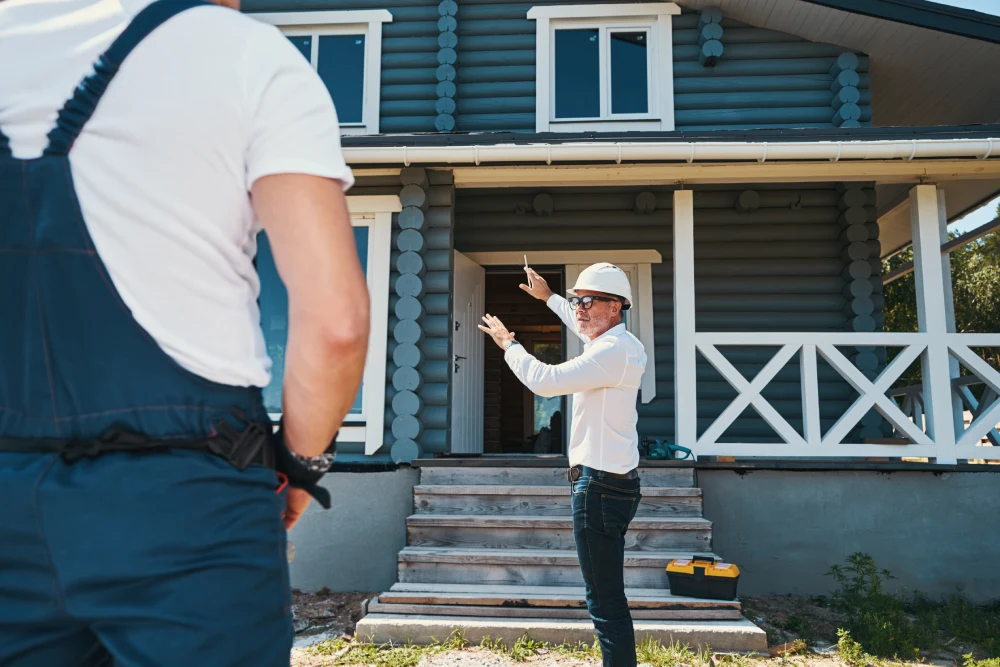
Simple way to think about the whole process
When you sell your home, think of it like a chain:
Price → Interest → Inspection → Negotiation → Closing
If one link breaks, the whole deal weakens.
That’s why experienced home sellers stay focused on every stage, not just the listing.
Because once the process starts, every decision affects the final number.
Conclusion:
At the end of the day, when you sell house, it’s not about rushing.
It’s about staying in control while everything moves fast around you.
If pricing is right, inspection is handled, and negotiation is balanced, then the entire process becomes smoother.
And that’s how you sell house without losing unnecessary money — not by luck, but by understanding what is happening at every step.
Because the truth is simple: when you sell house, the goal is not just to close… it’s to close strong.
Frequently Asked Questions
How important is pricing when you sell your home?
Pricing controls everything. If it’s too high, buyers ignore it. If it’s correct, offers come quickly. When you sell house, pricing decides speed and final value.
What is a home inspection during the process to sell your home?
A home inspection is when buyers check the property for issues like wiring, structure, and maintenance problems before finalizing the deal when you sell your home.
What happens if inspection shows problems when you sell your home?
Buyers usually ask for repair requests or price reductions, which can affect final negotiations and reduce profit when you sell your home.
What is an appraisal gap when you sell your home?
An appraisal gap happens when the lender values the home lower than the agreed price, which can cause financing issues when you sell your home.
How do contingencies affect selling a home?
Contingencies are conditions like financing or inspection approval that must be met before closing the deal when you sell your home.
What is the closing process when you sell your home?
Closing process is the final stage where paperwork, payments, and ownership transfer are completed after all conditions are cleared when you sell your home.
Can negotiation reduce final profit when you sell your home?
Yes, negotiation can reduce profit if buyers push for concessions, repairs, or price cuts after inspection when you sell your home.
How can someone protect value when they sell your home?
Value is protected by correct pricing, early inspection preparation, understanding appraisal risks, and handling negotiation carefully when you sell your home.