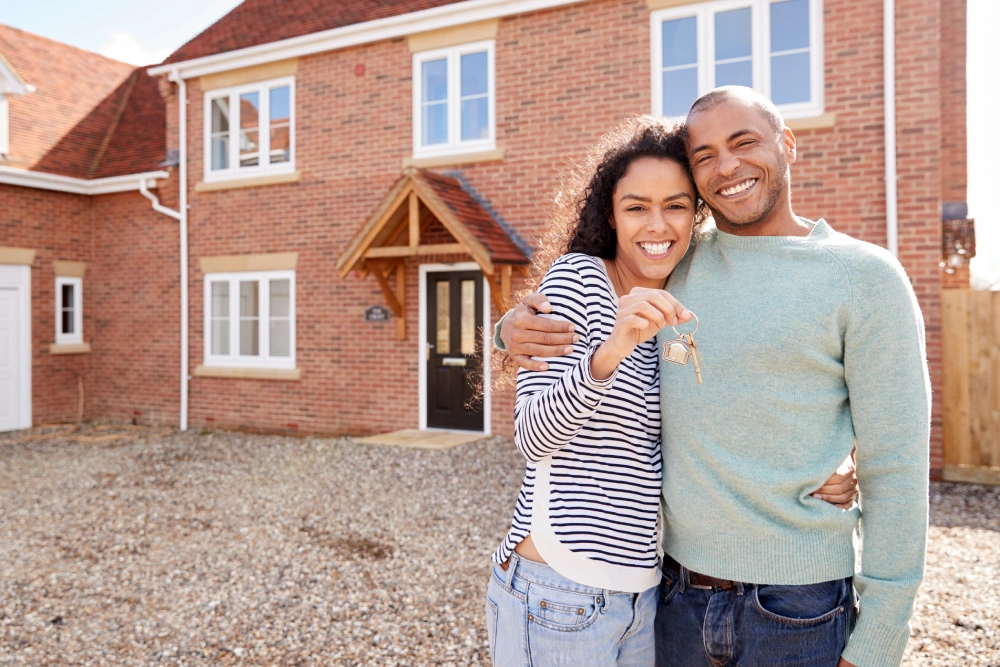
Here is the thing about buying a new build house. It looks perfect. Everything is shiny and untouched. No one else’s wear and tear. No mystery repairs hiding behind the walls. But that does not mean it is the right choice for everyone.
Buying new construction house can be a great investment. But it is a different process than buying an existing home. And if you do not know what you are getting into, you can end up with a house that does not fit your timeline, your budget, or your lifestyle.
In this article we will figure out why buy a new home vs used, new construction vs existing homes, benefits of buying a new build home, or is it better to buy new construction or existing home?
Why buy new construction home?
Before buying a new build house, it is important to understand both the advantages and potential drawbacks of new construction
The appeal is obvious. A new build house is a fresh start. You are the first owner. You have a complete record of maintenance from day one, and there are no past owners to worry about. Everything is built to modern codes. The appliances are new. The roof is not leaking. The HVAC is not 20 years old.
- Lower maintenance costs. Everything from the roof to the appliances is brand new. Most new homes also come with builder warranties lasting one to ten years, covering structural components, HVAC, electrical systems, and windows. That is peace of mind.
- Energy efficiency. New homes are built to stricter energy codes. Better insulation, tighter windows, and efficient HVAC systems mean lower utility bills. Over ten years, buyers of new homes can save an average of $25,335 compared to buyers of older homes. In some states, the savings are even larger.
- Customization. If you buy early enough, you can choose finishes, layouts, and upgrades. You are not inheriting someone else’s taste.
- Financial incentives. Builders often offer incentives like mortgage rate buydowns, closing cost credits, or free upgrades. These can make buying a new build house more affordable than an existing home at the same purchase price.
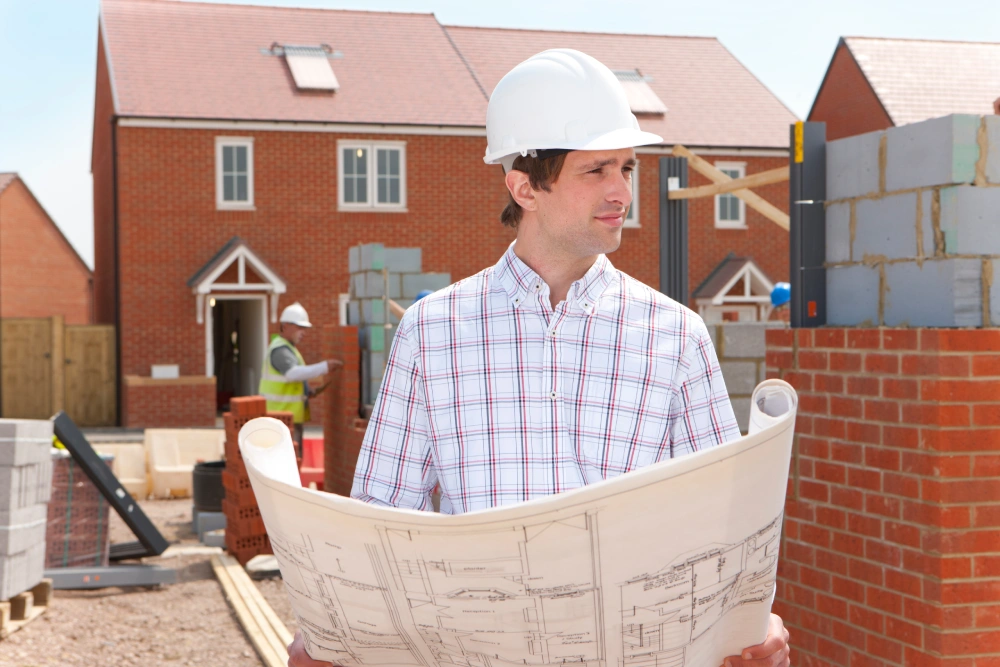
Pros and cons of new construction homes
- Location: New construction tends to be concentrated in developing suburbs and outer rings of metro area. If you want a specific established neighborhood, school district, or commute corridor, a new build may not be an option.
- Timeline: A transaction on an existing home can close in 30 to 45 days. New construction timelines commonly run six months to more than a year from contract to closing. If you need to move quickly, this is a problem.
- Hidden costs: The base price is just the starting point. Upgrades can add tens of thousands of dollars. A model home is staged with upgraded finishes—what you see is not what you get at the base price.
- Construction delays: Supply shortages, weather, and permitting issues can push back your move-in date.
- Cookie-cutter feel: Production and spec homes are built for broad appeal. They can feel identical to every other house in the neighborhood.
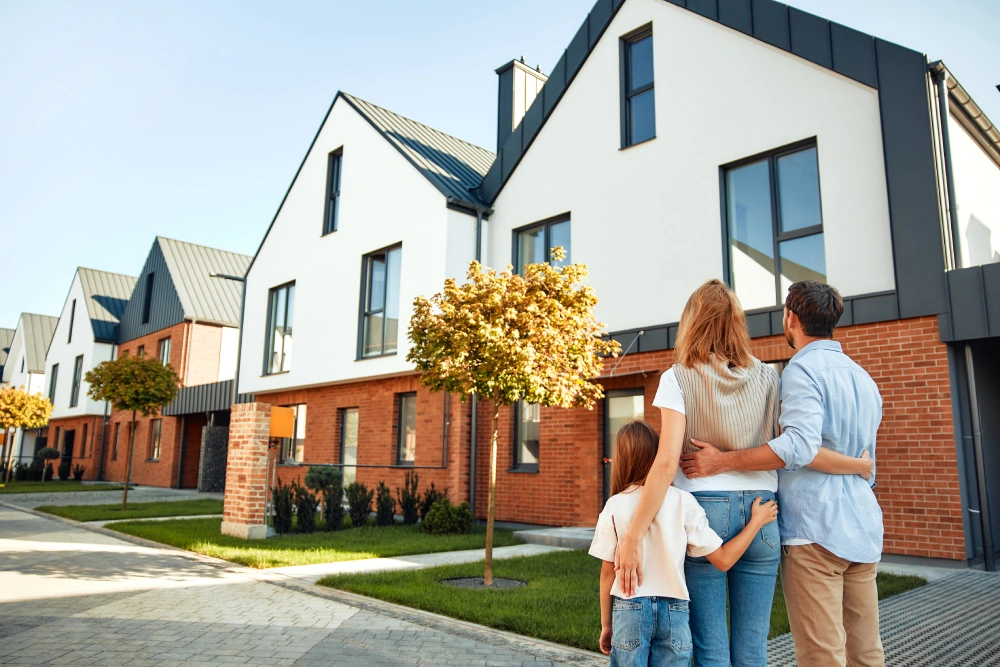
The Financial Picture
Buying a new build house often comes with higher sticker prices, but the total cost of ownership can actually be lower. In the fourth quarter, the median list price for a new build was $451,128, compared to $394,800 for an existing home. That is a gap of about $56,000.
But over ten years, the savings on utilities and repairs can more than make up for the price difference in many market. In 16 of the nation’s largest metros, the ten-year savings from a new home is enough to erase the price gap entirely.
Buying early can pay off. A new build bought early in a community’s development can appreciate as prices rise when the neighborhood fills out. In London, off-plan buyers have seen average gains of £26,000 before completion.
What to Check Before You Sign
Inspect the workmanship. Model homes show the builder’s best work. Drive through a neighborhood the builder finished five years ago. Look for peeling paint, settling cracks, or other signs of wear.
Know what is included. Model homes are staged with upgrades. Ask for a detailed list of what is included in the base price and what costs extra.
Review the contract.Understand the timeline, the deposit requirements, and what happens if construction is delayed.
Factor in all costs. Appliances, window treatments, landscaping, and HOA fees may not be included in the base price.
Conclusion
A new build house gives you a clean slate. Ultimately, the new build vs existing home decision comes down to your priorities, budget, timeline, and preferred location. Buying a new home vs used home is not simply about choosing between new and old; it is about deciding which option gives you the right combination of comfort, cost, maintenance, and long-term value. And, the benefits of buying a new construction home can be a great choice.
Frequently Asked Questions
Is a new build house more expensive than an existing home?
The median list price for a new build is about $56,000 higher than for an existing home nationally. However, lower utility bills and fewer repairs can offset the price difference over time.
Can I negotiate on a new build house?
Yes. Builders are increasingly offering incentives like rate buydowns and closing cost credits. In some markets, price reductions on new builds have outpaced those on existing homes.
How long does it take to buy a new build house?
Existing home closings typically take 30 to 45 days. New construction can take 6 to 12 months or more, depending on the stage of construction.
Is a new build house a good investment?
New build houses can appreciate well, especially if bought early in a development. On the other hand, new builds carry a premium over existing homes, and the market has been volatile. Research your local market and buy what you can afford to hold.
What are the hidden costs of buying a new build house?
Upgrades can add tens of thousands of dollars. Appliances, window treatments, landscaping, and HOA fees may not be included in the base price.
Is a new build house worth the wait?
If you value modern design, energy efficiency, and lower maintenance costs, yes. If you need to move quickly or want an established neighborhood, an existing home may be a better fit.